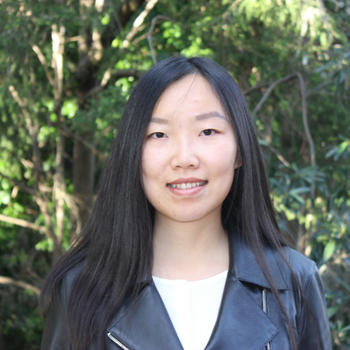
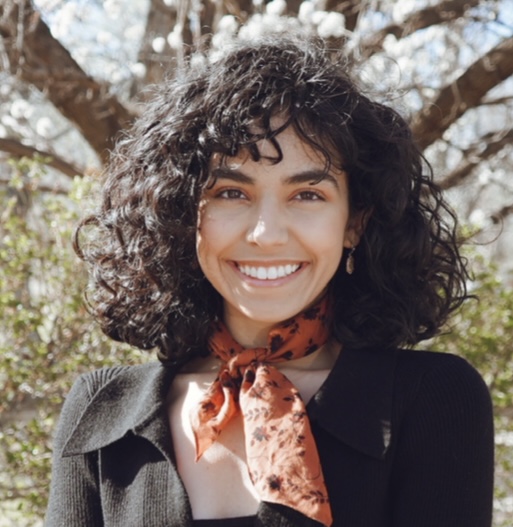
Brooke Martinez is a PhD student in the Department of Food Science and Human Nutrition at Colorado State University. Her research focuses on food insecurity, maternal nutrition, and Food Is Medicine interventions. Her dissertation centers on evaluating a culturally tailored produce prescription program and its potential to improve food security status, dietary intake, and maternal-infant outcomes among pregnant individuals in low-income communities. This project involves partnerships with Boulder County Public Health and Adams County Health Department in Colorado and aims to support the integration of produce prescription programs into prenatal care and inform scalable models that link healthcare and food systems.
Interviewer: What sessions, presentations, or topics stood out most to you, and why?
BM: The topics that stood out most to me were related to food environments, health promotion, and health equity. These sessions highlighted the broader contextual factors that influence maternal and child health, as well as the health of other underserved populations. I especially appreciated learning how researchers around the world are addressing these topics through diverse, interdisciplinary approaches tailored to their local contexts.
Interviewer: Did anything you learned influence how you’re thinking about your current research or future work?
BM: Attending ISBNPA has broadened my perspective on Food Is Medicine by exposing me to projects across the United States and around the world. The integration of clinical, behavioral, and policy considerations demonstrated how interventions can be translated into sustainable, real-world programs.
Interviewer: How did you approach networking at the conference?
BM: I made networking a priority by signing up for the Network of Early Career Researchers and Students of ISBNPA (NESI) Workshop, followed by the NESI Social event. These were great opportunities to connect with other doctoral students and early-career researchers with shared interests and diverse perspectives. I also utilized the poster presentation viewings as a chance to exchange ideas and begin conversations that continued throughout the conference.
Interviewer: What networking tactics would you recommend to other students?
BM: One tip I’d recommend is exchanging email addresses or connecting on LinkedIn. It’s a great way to stay in touch, follow each other’s research, and celebrate future milestones. I’d also encourage students to take advantage of other informal networking opportunities, whether it’s attending morning yoga classes, sunrise runs, or chatting over coffee breaks between sessions.
Interviewer: What advice would you give to other PhD students attending ISBNPA for the first time?
BM: One of my biggest takeaways was that supporting healthy dietary and physical activity behaviors requires a multi-faceted approach. Improving these health behaviors involves more than policy and regulatory action; it also requires understanding human behavior to design effective behavior change strategies and leverage digital innovations that support healthier choices. This broader perspective will inform how I think about the design, implementation, and evaluation of nutrition interventions.