
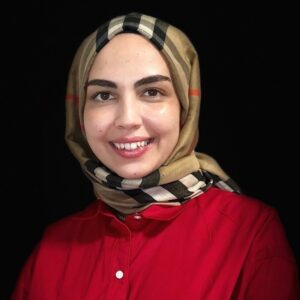
About Dr. Cepni: Dr. Cepni is a Research Assistant Professor at the University of Houston. Her research focuses on promoting healthy eating and physical activity behaviors among children and adolescents to prevent obesity. She conducts her research across diverse settings, including schools, summer camps, youth employment programs, and other community-based organizations
Transitioning from trainee to independent investigator has been one of the most exciting stages of my academic journey. I completed my PhD in 2023, where I had the opportunity to design and lead a randomized controlled trial as my dissertation project. This experience was transformative. It required me to manage a research team, coordinate with community partners, and make independent decisions, skills that most PhD students don’t get to develop so early. I was able to do this because my mentors encouraged my independence and trusted me to take ownership of my ideas. That trust shaped my confidence and gave me an early glimpse into what it means to be a principal investigator.
Those early experiences opened doors for my postdoctoral position, which I began immediately after graduation in August 2023. My postdoctoral mentor was an expert in physical activity research with 4 active NIH R01s. During my postdoc, I managed two of my mentor’s R01 projects focused on preventing accelerated summer weight gain among children, while developing my own NIH K99/R00 proposal that extended my mentor’s work to adolescent populations.
The most impactful part of my postdoctoral training was the mentorship I received in grant writing. My mentor shared examples of his own successful NIH grants and offered insight from his experience. He also supported my participation in grant-writing training and workshops, which deepened my understanding of the grant process and helped me expand my professional network. Through these experiences, I strengthened my ability to lead NIH-funded trials and gained a comprehensive view of project management, from conceptualization to implementation. This training has proven invaluable in my current faculty role.
My transition to a faculty position happened unexpectedly but organically. The department where I completed my doctoral studies reached out with a job offer. I stayed in touch with my former mentors and continued collaborating and publishing with them after graduation. Returning to the University of Houston as a Research Assistant Professor in 2024 felt like coming home, but with a new sense of independence and purpose.
During this transition, the research line I developed during my postdoctoral training proved invaluable. I quickly reformatted my K99/R00 proposal into an NIH R21 application and submitted a smaller version to a seed grant program at my institution. In my first year as a faculty member, I secured internal funding that provided critical support to generate proof-of-concept data and refine my ideas. Having a well-developed grant concept ready to go made this transition much smoother and gave me the time and flexibility to begin shaping a new line of research.
If I could offer a few key takeaways for early-career researchers, they would be:
- Find mentors who invest in both your science and your personal growth: The best mentors guide you through research challenges but also model how to build a respectful, collaborative, and fulfilling academic life.
- Take initiative and be open to independence early: When opportunities arise, such as leading a project or writing a grant, say yes, even if it feels intimidating. These trainings accelerate your growth and prepare you for leadership.
- Nurture your professional network with intention: Staying connected with mentors, collaborators, and peers can open unexpected doors for future research and career opportunities
Interested in connecting with Dr. Cepni? You can learn more about their role and find their contact information here: https://www.uh.edu/class/hhp/people/?id=140
